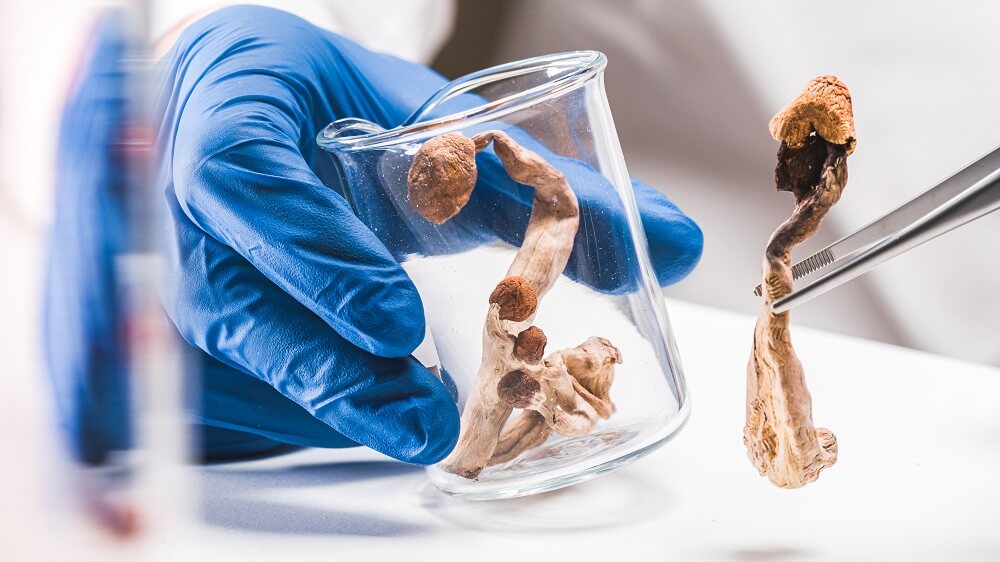
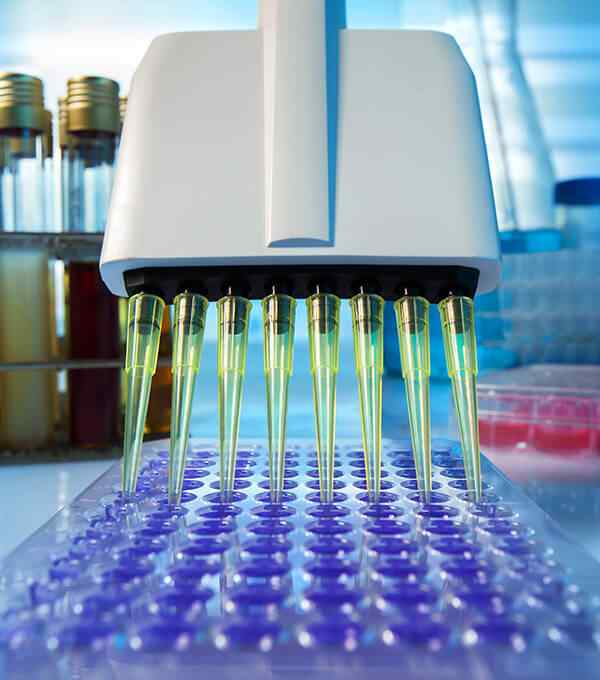
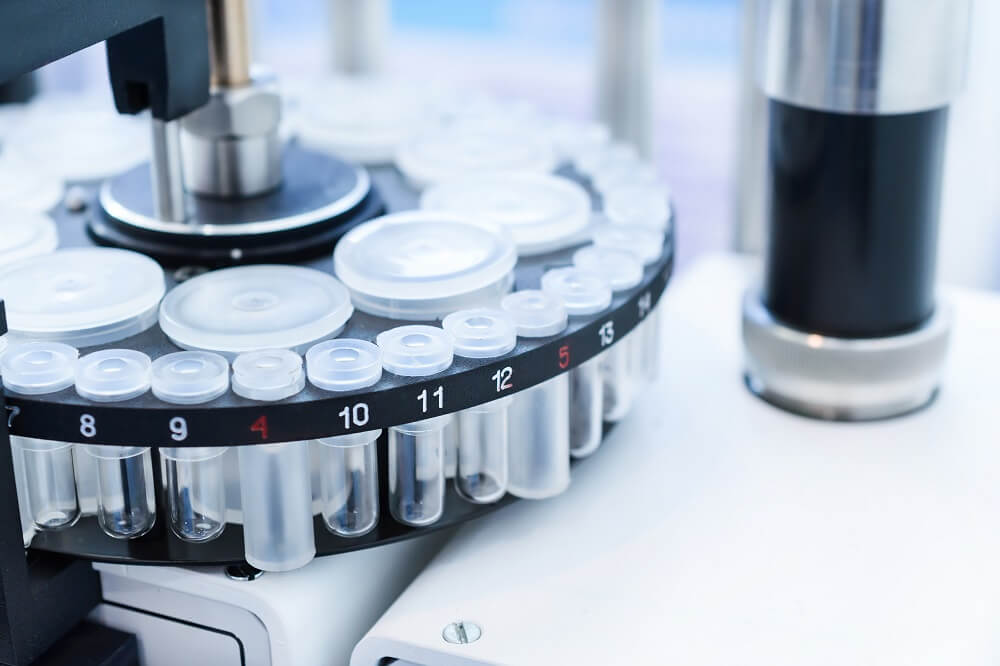
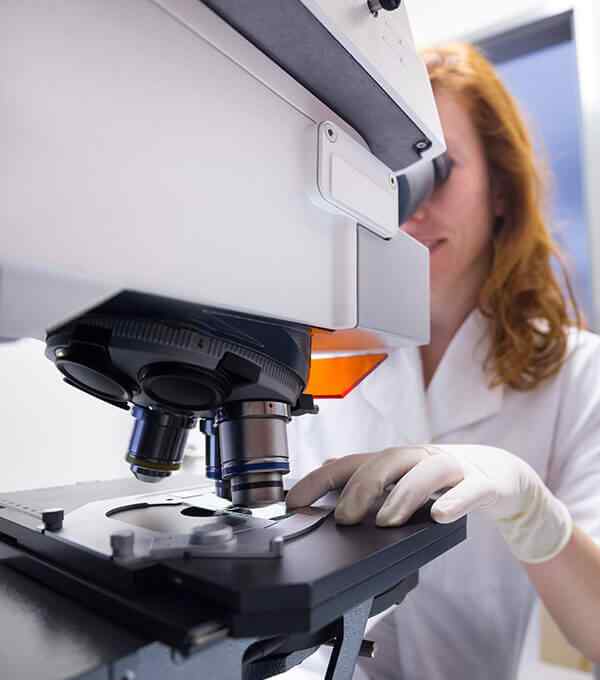
Our potency testing offers a quantitative analysis which includes a large list of compounds where we utilize advanced instrumentation and methodology to establish the exact concentration of unique analytes in any sample type. We use validated scientific methods along with an array of chromatographic instruments for the quantification of these analytes. Continuous development of new methods to test new compounds, along with optimizing the performance of our current methodology is always at the forefront of our focus.
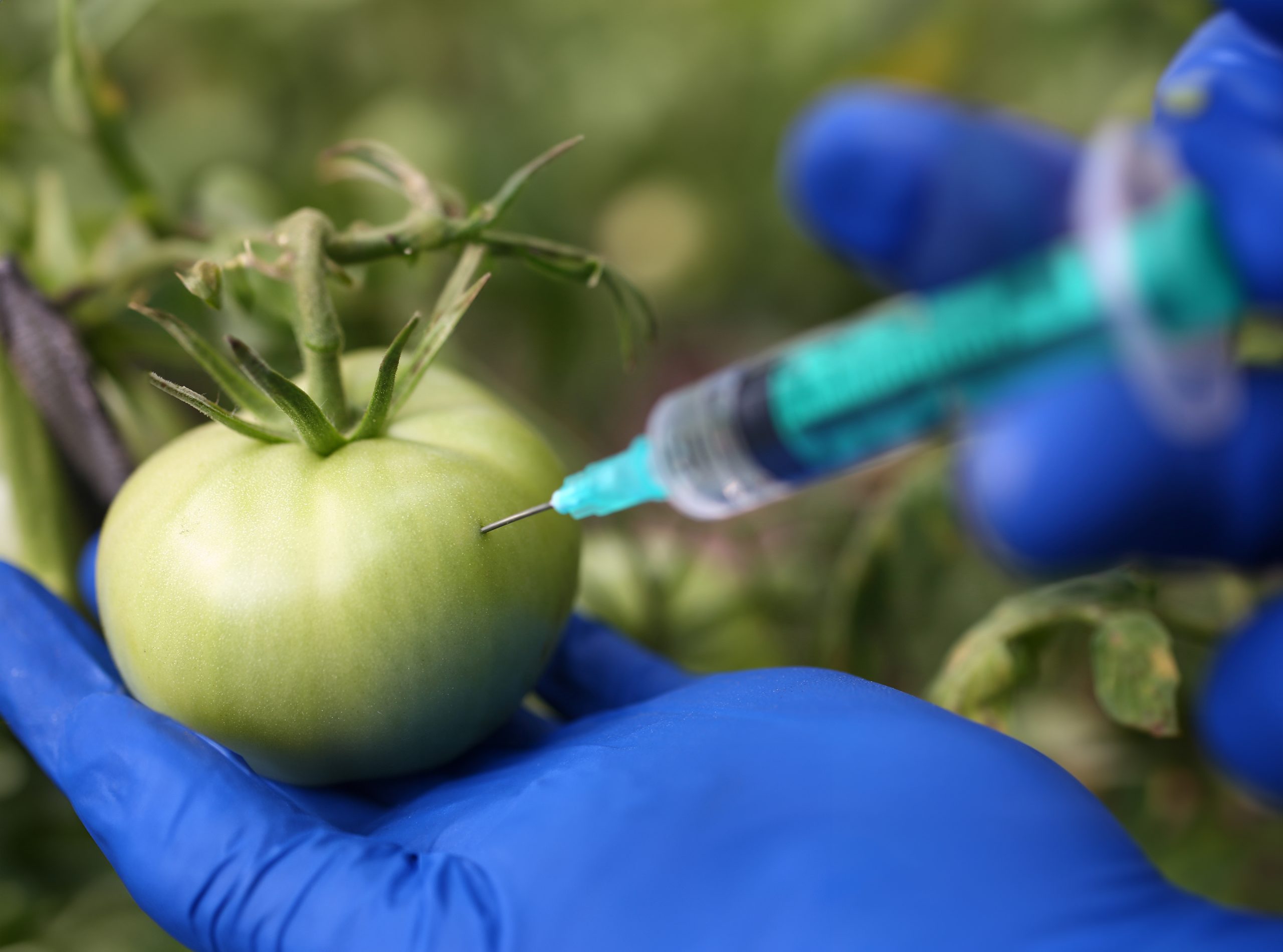
Pesticide residues are analyzed by using a combination of LC MS/MS and GC MS/MS. The use of pesticides in agriculture is not new. Pesticide use on Cannabis, Mushrooms, and other nutraceutical crops is no exception. These harmful compounds usually are found in trace amounts in plant material destined for manufacturing. When lab testing the starting plant material, the results can often come back below the limit of detection (LOD) for pesticides even with the most advanced instrumentation. Often when the starting plant material is extracted and manufactured into products, the concentration of the active ingredients in the plant material can also concentrate the amount of pesticides from below the limit of detection, to a detected pesticide in your product.
Residual solvents can be found in concentrates and extracts. Solvents (i.e. water, carbon dioxide, ethanol, etc.) are used to extract the active ingredients from starting materials and are nearly impossible to completely remove from a final product. These solvents are highly flammable and proven extremely dangerous during the manufacturing of concentrates and if taken by a consumer in a product not purged properly it can cause severe medical issues. Headspace-Gas Chromatography with a Flame Ionization Detector (GC/FID), is an established scientific methodology that we use in the analysis for the separation and quantification of residual solvents.
Heavy Metal screening analyzes metals such as lead (Pb), mercury (Hg), arsenic (As), cadmium (Cd) and even chromium (Cr) utilizing an ICP MS/MS and microwave digestion for analysis.
Our test of sample material for filth and foreign matter which includes inspections for mold, sand, soil, cinders, dirt, hair, insects, feces, packaging contaminants and manufacturing waste and by-products.
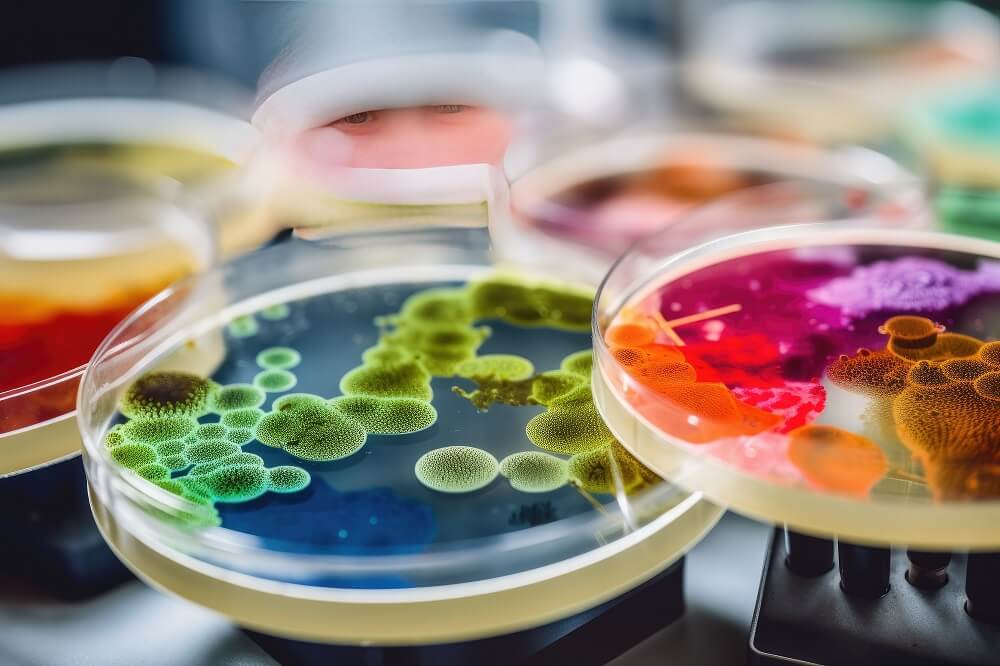
Microbiological screening includes the detection of Aspergillus (A. niger, A. terreus, A. fumigatus, and A. flavus), Shiga toxin-producing E. coli, and Salmonella. Micro organisms Can be an indication of spoilage, levels of sanitation and the potential for human pathogens. Immunocompromised individuals are most at risk and can develop Aspergillosis, a condition caused by inhaling Aspergillus spores.
Mycotoxin screening analyzes for present toxins including Aflatoxin (B1, B2, G1, G2) and Ochratoxin A. Also under ideal conditions, some fungi can produce toxic metabolites known as mycotoxins (ex. Aflatoxin and Ochratoxin) which can infect immunocompromised humans and cause allergic, aflatoxin and pathogenic infections. Using Liquid Chromatography coupled to Mass Spectrometry quadrupole, we can quantify in parts per billion (ug/kg) the exact amount of Aflatoxin and Ochratoxin present.
Moisture and Water Activity analyzes solid and semi-solid products to determine its moisture and water-activity level. If the water activity is at or below 0.85 Aw, the sample “passes” water activity testing. Water activity at or above .85 Aw that is found in a product is an indicator that there are the ideal conditions for bacteria to grow and contaminate the product in the sealed package.
As the regulatory landscape continues to evolve, compliance and product integrity are more important than ever. PharmLabs is working diligently to expand our alternative alkaloid testing services with new testing options designed to address emerging industry needs, verify product authenticity, and help keep compliant products on the shelf.
PharmLabs has been a pioneer in testing since 2011 for cannabinoid, psychedelic and select nutraceutical testing. We ensure product quality, safety, and compliance for both regulated and non-regulated industries. Our white glove service guarantees that you will always be able to contact live assistance before, during and after the testing process. Our extremely competitive pricing is personalized for your business to make sure you keep your operating costs low, but also have the opportunity to grow without compromising your ability to test your products for quality and safety. Fast turnaround times, including same-day testing when available, means you get your results, and can conduct business in a timely manner. Accuracy is everything to us, and we work diligently to continuously verify all processes and results before they ever reach you. If ever there are concerns with your results, our Client Care Team is here to help you address and find resolution in a timely manner. Experience excellence with us at PharmLabs!
care@sdpharmlabs.com
ISO is an acronym for the International Organization for Standardization. ISO/IEC 17025:2017 are requirements for the competence of testing and calibration of analytical laboratories and is the main ISO standard used by testing and calibration laboratories. In most major countries, ISO/IEC 17025:2017 is the standard for which most labs must hold accreditation in order to be deemed technically competent.